



Graphic design beyond aesthetics: Empathy as a fundamental pillar
Graphic Design: More Than Colors and Shapes
Graphic design is more than just colors and shapes. It’s a language that communicates messages, emotions, and stories. In this way, empathy has become a fundamental pillar in the graphic design process!
Empathy as a Connecting Element
Empathy in graphic design involves the ability to put ourselves in the shoes of the target audience, understand their needs, desires, and emotions. It’s like finding a deep connection between the designer and the viewer, creating an emotional bridge through visual art. Here are some practical ways to incorporate empathy into the graphic design process:
1. In-Depth Audience Research
Let’s start by getting to know our target audience deeply. Who are they? What are their interests, challenges, and aspirations? What are their pains and joys? Empathy begins with a complete understanding of the people we are working for.
2. Choosing Colors and Visual Elements
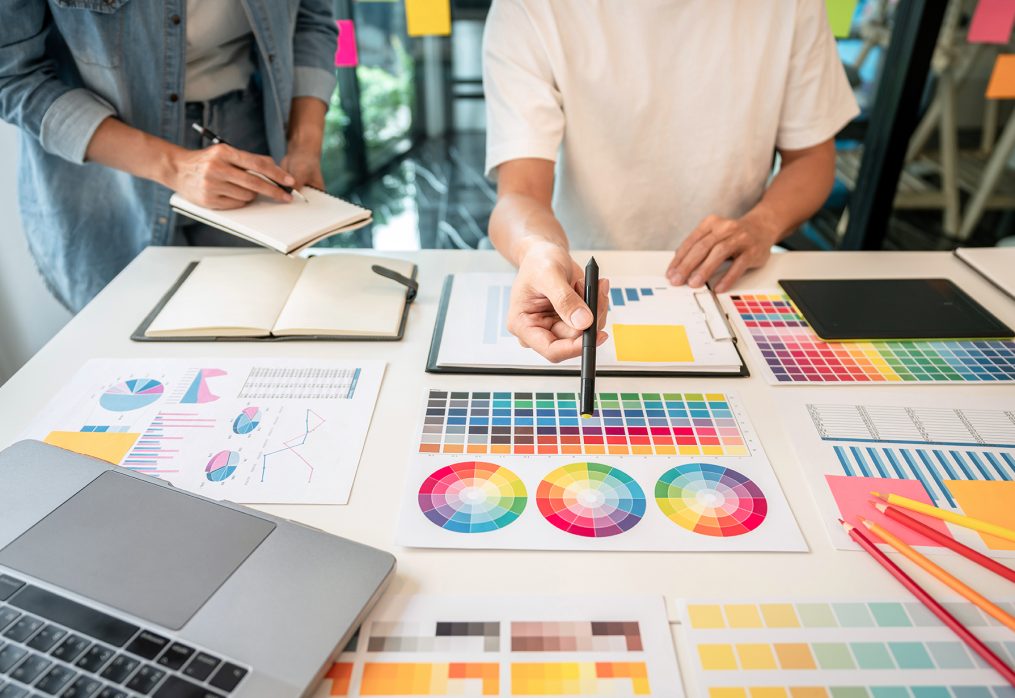
Colors have the power to evoke powerful emotions. When selecting color palettes for our project, we must consider the emotional responses that each color can trigger. For example, blue can convey calm and confidence, while red can evoke passion and urgency.
3. Crafting Meaningful Narratives
Telling stories is an effective way to create empathy. We should weave narratives into our projects to establish emotional connections with the audience. A well-told story doesn’t just inform; it engages and touches people’s hearts.
4. Communicating Messages with Authenticity
Empathy requires authenticity. We must ensure that our messages and designs reflect genuine sincerity and empathy. People can easily sense when something is forced, but they respond positively when they feel an authentic connection.
5. Testing and Gathering Feedback
After creating the design, we should test it with our target audience and gather as much feedback as possible. Empathy also means being open to others’ opinions and adapting our projects based on responses and needs of the audience.
6. Celebrating Diversity and Inclusion
Remember that our audience can be diverse in terms of cultural backgrounds, gender identities, and life experiences. We should be inclusive in our design to ensure that everyone feels represented and valued.
Graphic Design that Touches Hearts
By incorporating empathy into our design process, we create works that go beyond mere aesthetics. We have the power to touch people, inspire actions, and tell stories that awaken emotions in the audience. We should remember that graphic design is a powerful tool for communicating not only information but also emotions, and empathy is the key to unlocking its full potential.